Are Interest Rates Going Up or Down? What Buyers Need to Know Right Now...
Are Interest Rates Going Up or Down? What Buyers Need to Know Right Now...
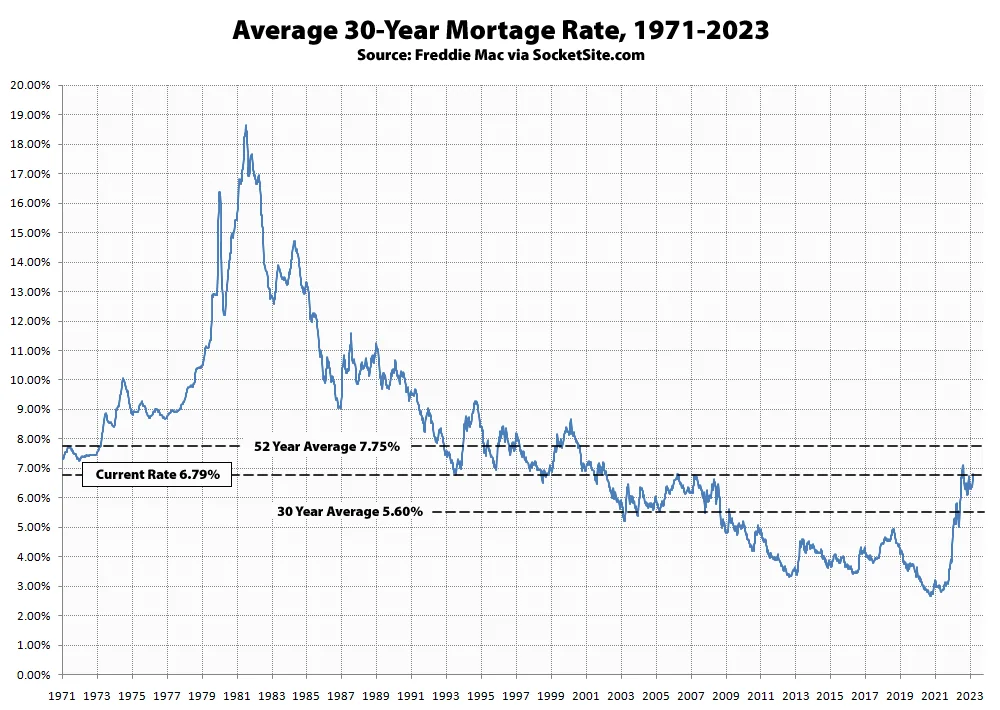
That’s the question everyone is asking right now: Where are interest rates headed? With constant headlines, market swings, and speculation about leadership changes at the Federal Reserve, it’s easy to feel like the answer should be clear. But the reality is a bit more complex—and understanding that complexity can actually help you make better decisions.
First, let’s clear up one common misconception. While Jerome Powell continues to serve as Chair of the Federal Reserve through his appointed term, interest rate decisions are not made by one person. Even when leadership changes—as it may in the future—no single individual has the authority to dictate rates on their own.
Interest rates are set by the Federal Open Market Committee, often referred to as the FOMC. This group includes multiple members from the Federal Reserve system. While there are 19 total participants involved in discussions, only 12 members vote at any given time. These include members of the Board of Governors and a rotating group of regional Federal Reserve Bank presidents. The Chair is influential, but ultimately just one vote among many.
There has been discussion around potential leadership changes, including Kevin Warsh as a possible successor. While a new Chair may bring a different perspective or policy preference, the structure of the FOMC ensures that decisions remain collaborative. That means rates are shaped by a range of viewpoints and economic data—not a single agenda.
So what actually drives interest rates? The Fed looks closely at key indicators like inflation, employment, economic growth, and financial stability. If inflation remains elevated, rates may stay higher for longer. If the economy slows or weakens, rates could come down. And in some cases, unexpected global or domestic events can shift the outlook quickly.
The bottom line is this: trying to perfectly time interest rates is extremely difficult—even for experts. Markets move based on constantly changing data, and by the time a trend becomes obvious, the opportunity often has already passed.
For homebuyers, the more practical approach is to focus on what you can control. If you find a home that fits your needs, your lifestyle, and your budget, it often makes sense to move forward. Waiting for the “perfect” rate environment can mean missing out on the right property altogether.
And here’s the key strategic point:
- If rates go up, you’ve locked in a lower rate and protected your position.
- If rates go down, you can potentially refinance and improve your terms later.
In other words, the home you choose—and the timing of that opportunity—often matters more than trying to predict short-term rate movements.
In today’s balanced and evolving market, success comes from making informed, confident decisions—not from trying to outguess the Fed.

Categories
- All Blogs (84)
- Buying a Home (20)
- Flipping (9)
- Home Improvement (1)
- Hurricane Utah (9)
- Landscaping (4)
- Market Report (38)
- NAR Settlement (3)
- National Parks (2)
- Notice of Default (1)
- Real Estate (62)
- Real Estate News (40)
- Rehab (3)
- Remodel (6)
- Retirement (12)
- Selling a Home (11)
- Staging (7)
- Towns (7)
Recent Posts