Why Chardonnay Thrives Here in Southern Utah
Why Chardonnay Thrives Here in Southern Utah
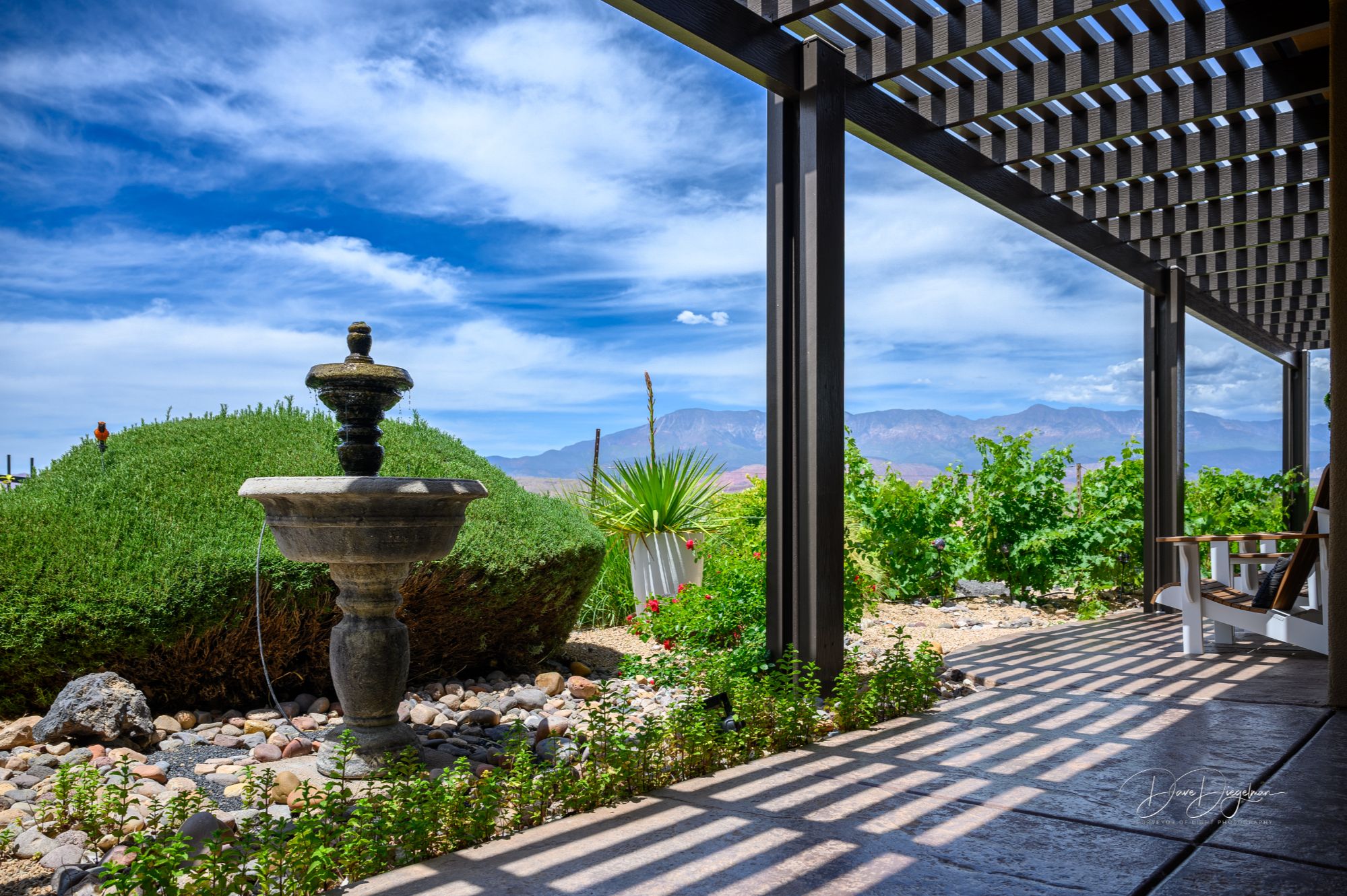 When most people think of wine country, places like Napa Valley, Sonoma, or the rolling vineyards of France usually come to mind—not the red rock deserts of Southern Utah. Yet over the past two decades of growing and propagating grapes here, one thing has become increasingly clear: Chardonnay does remarkably well in this unique climate.
At first glance, Southern Utah may seem like an unlikely place for wine grapes. Summers are hot, humidity is low, and the landscape can appear harsh and unforgiving. But those very conditions are part of what makes this region surprisingly suitable for certain varietals. Chardonnay, in particular, benefits from the long growing season, abundant sunshine, and dramatic temperature swings between day and night.
Sunlight is one of the key ingredients in developing healthy, flavorful fruit, and Southern Utah has no shortage of it. Grapevines thrive on consistent sun exposure, allowing the grapes to fully mature and develop balanced sugars. At the same time, our cooler desert evenings help preserve acidity in the fruit—something essential for producing vibrant, well-structured Chardonnay. That contrast between warm days and cooler nights creates complexity and balance in the grapes that warmer, more humid climates often struggle to achieve.
Another advantage is our naturally dry environment. Lower humidity means reduced disease pressure compared to many traditional growing regions. Issues like mildew and fungal diseases are often less severe here, allowing for cleaner fruit and more targeted, organic-inspired vineyard practices. Because the vines are closely managed, growers can respond quickly to changing conditions, weather stress, or pests without relying heavily on broad chemical treatments.
Southern Utah’s soils also play a role. Many areas feature well-draining, mineral-rich soils that grapevines prefer. Unlike plants that thrive in overly rich soil, wine grapes actually perform better when the vines have to work a little harder. Moderate stress on the vines often leads to smaller berries with more concentrated flavor and character.
Of course, growing Chardonnay in the desert isn’t without challenges. Heat management, irrigation, and proper canopy control are all critical. Without thoughtful pruning and shade management, grapes can sunburn in peak summer conditions. But when properly maintained, Chardonnay vines adapt surprisingly well and can produce healthy, consistent fruit year after year.
One of the most rewarding parts of growing Chardonnay here is watching how quickly the vines transform each spring. What begins as dormant, tangled canes suddenly erupts into vibrant green growth almost overnight. Buds become leaves, leaves become vines, and within weeks tiny clusters of fruit begin to emerge. It’s a reminder that even in a desert climate, life can flourish with the right conditions and care.
This discovery is part of what inspired the creation of the Diegelman Vineyard Collective. After years of growing grapes in Southern Utah, we realized there was an opportunity to help others participate in the experience without needing to build a winery or master the complexities of winemaking themselves. Through the Collective, participants can grow Chardonnay or Cabernet Sauvignon vines on their own property while contributing their harvest to a shared vintage produced by a local, licensed wine producer.
Chardonnay’s success in Southern Utah proves that great wine grapes aren’t limited to traditional wine regions. With the right varietals, thoughtful management, and an understanding of the climate, this desert landscape can produce something truly unique. And perhaps that’s part of the appeal—the idea that something refined, expressive, and deeply rooted can emerge from such rugged terrain.
CLICK HERE FOR MORE INFO ON DIEGELMAN VINEYARD COLLECTIVE
Categories
- All Blogs (84)
- Buying a Home (20)
- Flipping (9)
- Home Improvement (1)
- Hurricane Utah (9)
- Landscaping (4)
- Market Report (38)
- NAR Settlement (3)
- National Parks (2)
- Notice of Default (1)
- Real Estate (62)
- Real Estate News (40)
- Rehab (3)
- Remodel (6)
- Retirement (12)
- Selling a Home (11)
- Staging (7)
- Towns (7)
Recent Posts