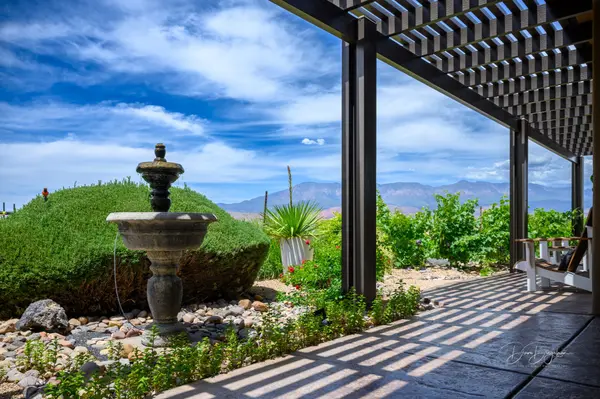
Southern Utah Wine Grow your own, share in the wine—join the Diegelman Vineyard Collective
Sustainable Winemaking: 3 Practices Changing Vinyard Game
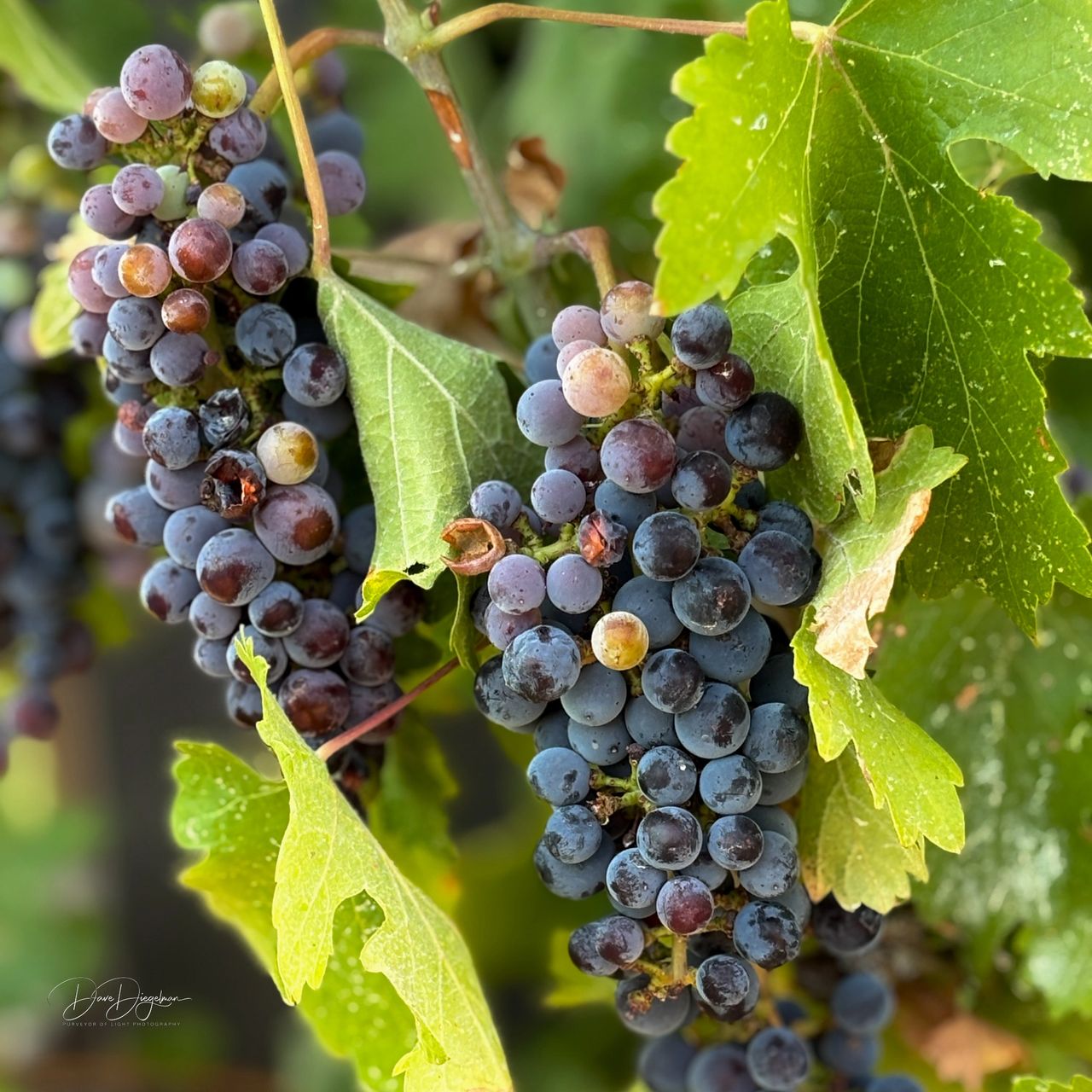
Sip Smarter: The Rise of Sustainability in Viticulture
Vineyards across regions like Southern Utah and beyond are redefining what it means to grow grapes with purpose. Sustainable winemaking is no longer a niche—it’s a necessity. Today’s wine enthusiasts aren’t just curious about the varietal in their glass; they want to know how it was grown, what resources were used, and what impact it had on the land.
Rooted in Responsibility: The Foundation of Sustainable Vineyards
Sustainable viticulture isn’t just a trend—it’s a fundamental shift in how vineyards operate for long-term ecological and economic resilience. At its core, it’s about minimizing environmental impact while maximizing grape quality and vineyard health. This begins with soil stewardship, where cover cropping and composting enhance microbiological activity and reduce erosion, especially vital in arid regions like Washington County, Utah. Water conservation is another pillar, with precision irrigation systems ensuring every drop counts—critical in areas prone to drought.
Equally important is biodiversity. By planting hedgerows and avoiding synthetic pesticides, vineyards support native pollinators and beneficial insects that naturally combat pests. This integrated pest management reduces chemical runoff and protects local watersheds. Additionally, energy efficiency plays a role, from solar-powered equipment to reducing carbon emissions through thoughtful vineyard layout and transportation planning.
Growers embracing sustainability often see improved grape uniformity and resilience to climate stressors. These practices not only future-proof the vineyard but also meet growing consumer demand for environmentally responsible wines. For anyone exploring wine country or sourcing premium grapes, understanding these foundational practices reveals a deeper connection between the land and the final pour.
1. Cover Cropping: Boosting Soil Health One Row at a Time
Intentional planting of cover crops—such as clover, vetch, or native grasses—between vine rows is revolutionizing soil management in sustainable vineyards. These plants prevent erosion, improve water infiltration, and increase organic matter, creating a living soil ecosystem. Leguminous cover crops naturally fix nitrogen, reducing the need for synthetic fertilizers. Additionally, they support beneficial insects and deter soil-borne pests, minimizing chemical interventions. Winemakers in diverse climates, from coastal valleys to arid inland regions, tailor cover crop blends to their specific soil composition and microclimate. Mowing or tilling these plants adds green manure, enriching the earth for future grape development. Beyond fertility, cover cropping enhances biodiversity, transforming vineyard floors from bare, compacted earth into thriving habitats. This practice not only nurtures healthier vines but also sequesters carbon, contributing to climate-smart agriculture. For those exploring regenerative practices, integrating cover crops is a foundational step with measurable returns in grape quality and environmental stewardship.
2. Biodiversity and Habitat Restoration: Building Resilient Vineyard Ecosystems
Monoculture vineyards give way to integrated landscapes where pollinator strips, hedgerows, and owl boxes promote ecological balance. Forward-thinking producers are restoring native vegetation, creating corridors for birds, bees, and beneficial insects that naturally manage pests. In the redrock terrain of southern Utah, habitat restoration also prevents soil loss and stabilizes microclimates. Some vineyards even introduce sheep or chickens to graze cover crops, reducing mechanical intervention. These living systems act as natural buffers, protecting vines from extreme weather and supporting long-term soil health. Biodiversity isn’t just environmental—it’s economic insurance. Diverse ecosystems are more resilient to disease outbreaks and climate extremes, safeguarding yields over time. Wine enthusiasts increasingly value this holistic approach, recognizing that a thriving vineyard is more than grapevines—it’s a dynamic, interconnected home for countless species, including humans.
3. Small Neiche Family Vinyards Yield "Loved" Grapes
Small, niche family vineyards produce something you can’t scale—grapes that are truly loved. Tended by hand and shaped by intimate knowledge of the land, these vines aren’t pushed for maximum yield but nurtured for balance, flavor, and character. Because they’re so closely managed, growers can respond quickly to changes—whether it’s weather stress, disease pressure, or early signs of pests—often addressing issues before they spread. Instead of relying heavily on broad chemical treatments, many use more organic-inspired approaches like soil health management, natural predators, and targeted interventions that work with the ecosystem rather than against it. The result is fruit that reflects both place and care: grapes with depth, nuance, and story. In a world of mass production, these small vineyards remind us that great wine doesn’t just come from the soil—it comes from attention, responsiveness, and a genuine connection to the craft.
Beyond the Bottle: How Sustainability Elevates Taste and Experience
Sustainable winemaking isn't just about protecting the land—it's reshaping what’s possible in your glass. By prioritizing vineyard health through practices like cover cropping, composting, and biodiversity enhancement, winemakers cultivate more resilient soils that yield grapes with deeper complexity and true regional character. These grapes reflect the terroir more authentically, giving wines greater balance, structure, and aromatic intensity.
Consumers today expect more than great taste—they seek transparency and purpose. Wines produced with ecological integrity often undergo gentler processing, avoiding excessive manipulation. This minimalist approach preserves natural acidity and phenolic structure, resulting in wines that age beautifully and pair exceptionally well with food.
In regions like Southern Utah’s rapidly emerging wine country, sustainable methods help vineyards adapt to unique climate challenges, from water conservation in arid soils to managing temperature shifts. Visitors to eco-conscious wineries also enjoy a richer experience—tours highlight habitat restoration efforts, dry farming techniques, and carbon-conscious production, forging emotional connections between sip and soil.
To appreciate the shift:
- Seek out naturally crafted wines
- Visit vineyards that offer educational tastings on regenerative practices
- Prioritize producers who openly share their vineyard protocols
The result? A higher-quality, more expressive wine and a more meaningful relationship between drinker and producer—one rooted in responsibility and place.
What Consumers Need to Know About Sustainable Winemaking
What does “sustainable winemaking” actually mean?
Sustainable winemaking refers to a holistic approach that balances environmental health, economic viability, and social responsibility throughout the entire production process. Unlike organic or biodynamic certifications, which follow strict, regulated standards, sustainability allows winemakers flexibility to adopt practices best suited to their region and vineyard conditions—like reducing chemical inputs, conserving water, and minimizing carbon emissions.
How can I tell if a wine is truly sustainably produced?
Look for transparency on the label or the producer’s website. Many sustainable wines carry third-party certifications (such as SIP Certified or Lodi Rules), but others may simply highlight eco-conscious practices like dry farming, native yeast fermentations, or lightweight bottles to reduce transportation emissions. Regional sustainability programs, especially in California and the Pacific Northwest, often require rigorous benchmarks.
Does sustainable wine taste different?
Not necessarily. The goal is to reflect the true character of the grape and terroir. Some sustainable wines may exhibit more expressive, nuanced flavors due to healthier soils and lower intervention, but quality and style remain consistent with traditional wines.
Is sustainable wine more expensive?
Not always. While some practices like manual weed control or solar power may increase costs, many producers offset them through long-term efficiency and community support. You can find sustainably made wines across all price points.
Can I visit sustainable vineyards?
Yes—many open their doors for tastings, tours, and events. Vineyards in regions like Southern Utah and along the West Coast often highlight their conservation efforts and offer immersive experiences that connect you to the land.
How does sustainable winemaking benefit local communities?
Wineries often invest in local labor practices, fair wages, and community partnerships, creating a more resilient regional economy. By preserving natural resources, they also protect the landscapes future generations will enjoy.
The Future of Sustainability Is Rooted in Connection
Sustainable winemaking is no longer just about organic grapes or dry farming—it’s about cultivating relationships. From biodynamic practices that restore soil health to water recycling systems that preserve local watersheds, the seven practices explored represent a holistic shift across vineyards. These methods don’t just reduce environmental impact; they strengthen resilience against climate variability, support biodiversity, and ensure long-term land viability. In regions like Southern Utah, where water stewardship is critical, adopting these techniques aligns with both ecological needs and regional responsibility.
Beyond the vines, sustainability extends to the people and communities intertwined with winemaking. Shared harvests, educational tastings, and transparent sourcing invite consumers into the story of their wine, fostering deeper appreciation and trust. This connection transforms a simple bottle into a shared experience—one rooted in care, intention, and place.
To move forward, start small: assess your current practices, prioritize one sustainability goal—like reducing chemical inputs or improving waste management—and engage your community through storytelling. Share progress on your website, host sustainability-focused events, and celebrate milestones collectively.
The future of wine is not just sustainable—it’s connected, resilient, and inclusive. By embracing these values, every pour becomes part of a larger, meaningful tradition.
Categories
- All Blogs (84)
- Buying a Home (20)
- Flipping (9)
- Home Improvement (1)
- Hurricane Utah (9)
- Landscaping (4)
- Market Report (38)
- NAR Settlement (3)
- National Parks (2)
- Notice of Default (1)
- Real Estate (62)
- Real Estate News (40)
- Rehab (3)
- Remodel (6)
- Retirement (12)
- Selling a Home (11)
- Staging (7)
- Towns (7)
Recent Posts