The Role of Community Development Block Grants in Modern Housing Policy
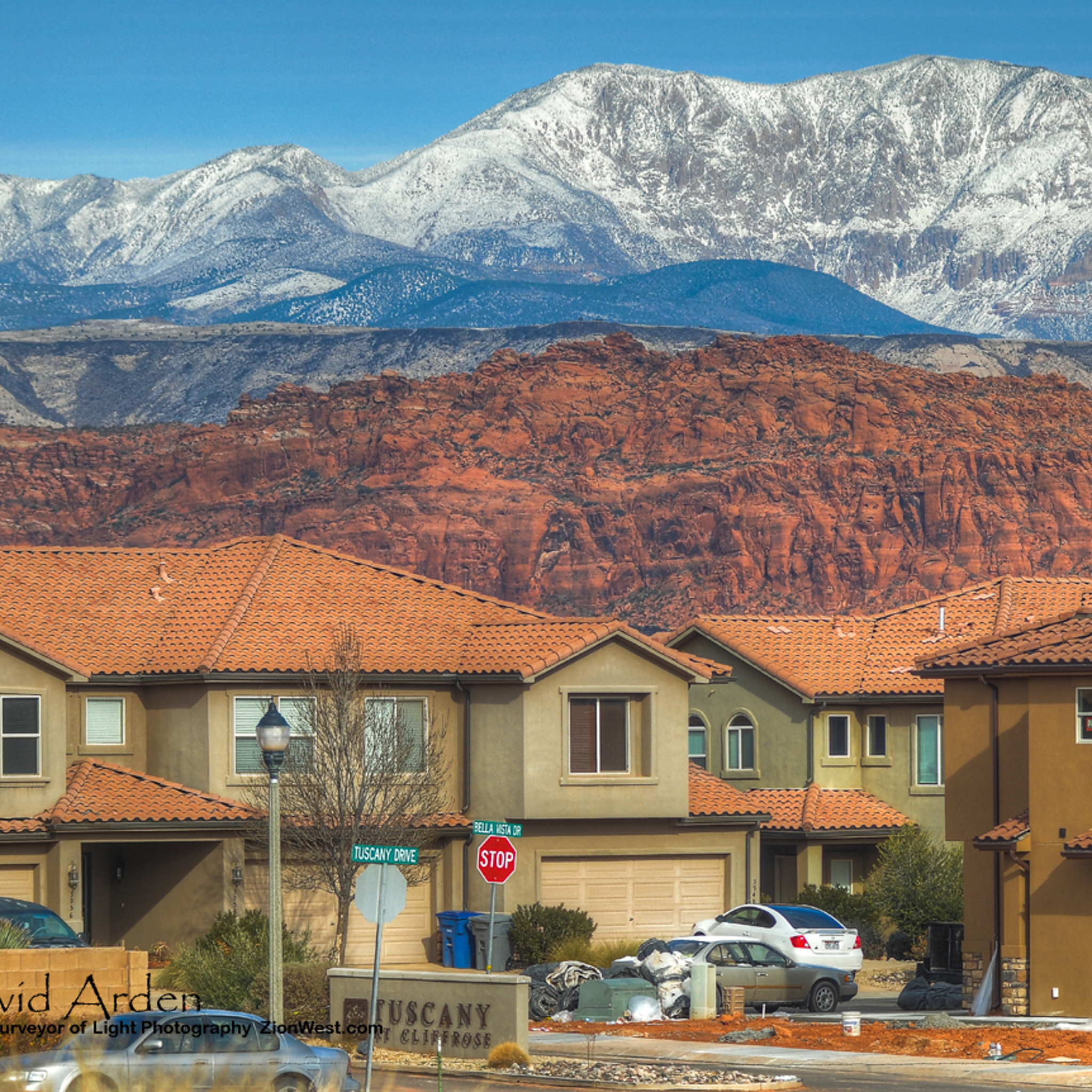
The Role of Community Development Block Grants in Modern Housing Policy A new federal housing law ties Community Development Block Grants to local homebuilding, rewarding cities that increase housing supply while penalizing those that don't. This report examines which communities stand to gain—or lose—the most under the new incentive system. BLOG: Will St. George Benefit From This? Yes—but probably only modestly.
St. George is already an entitlement city that receives its own annual Community Development Block Grant (CDBG) allocation directly from HUD, rather than through Utah's Small Cities program. The city uses these funds for projects such as down-payment assistance, infrastructure improvements, neighborhood facilities, accessibility upgrades, and services for low- and moderate-income residents.
The new federal law ties future CDBG bonuses and penalties to housing production. Cities that increase their housing stock can receive additional funding, while those that consistently underbuild risk reductions.
What this means for St. George
St. George is actually in a favorable position because:
- The city has been one of Utah's fastest-growing communities and has continued adding new housing.
- Local leaders have generally been supportive of residential development and have approved a significant number of new subdivisions and master-planned communities.
- Because housing production has remained relatively strong, St. George is less likely to face the penalties aimed at slow-growth communities.
However, the Realtor.com analysis also points out that for most cities, CDBG funding represents only about 0.33% of total city revenue. Even the maximum penalty (or bonus) is relatively small compared with an overall municipal budget, meaning the financial incentive alone is unlikely to dramatically change local policy.
My takeaway
For St. George, this legislation is more of a small financial reward for doing what it's already doing than a game changer. The communities that could feel the biggest impact are older Northeastern and Midwestern cities where:
- housing construction has lagged,
- CDBG funding makes up a larger share of the city budget, and
- the new incentives may influence local zoning and permitting decisions.
From a real estate perspective, it's another sign that federal policy is increasingly encouraging communities to expand housing supply rather than restrict it. For a fast-growing market like St. George, that aligns well with the city's existing trajectory, but not necessarily our dwindling water supply.
Categories
- All Blogs (84)
- Buying a Home (20)
- Flipping (9)
- Home Improvement (1)
- Hurricane Utah (9)
- Landscaping (4)
- Market Report (38)
- NAR Settlement (3)
- National Parks (2)
- Notice of Default (1)
- Real Estate (62)
- Real Estate News (40)
- Rehab (3)
- Remodel (6)
- Retirement (12)
- Selling a Home (11)
- Staging (7)
- Towns (7)
Recent Posts