Zen And The Art Of $1,000 Tomatoes
Zen And The Art Of $1,000 Tomatoes
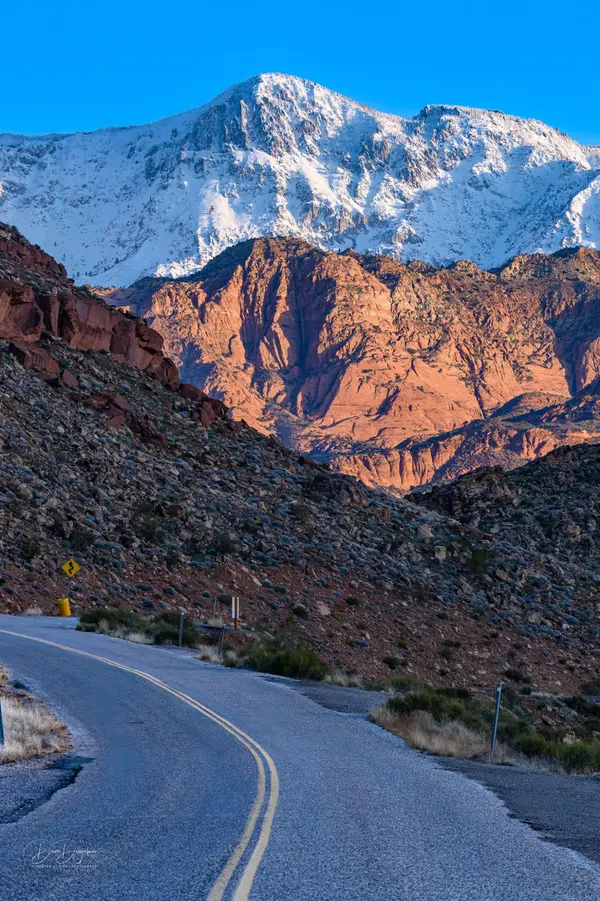
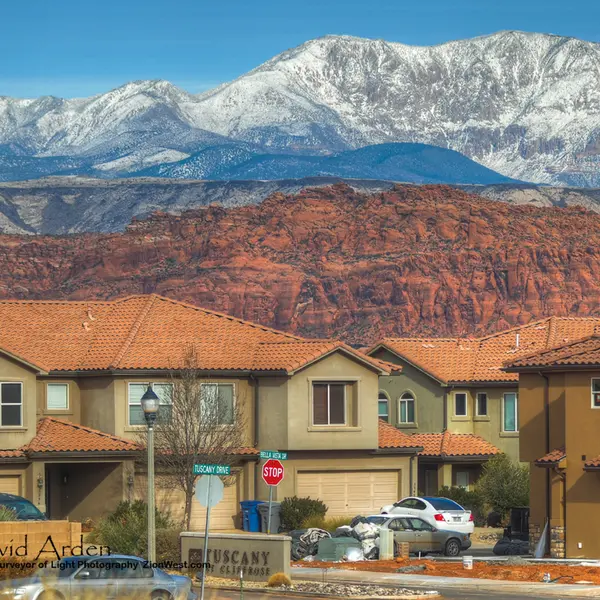
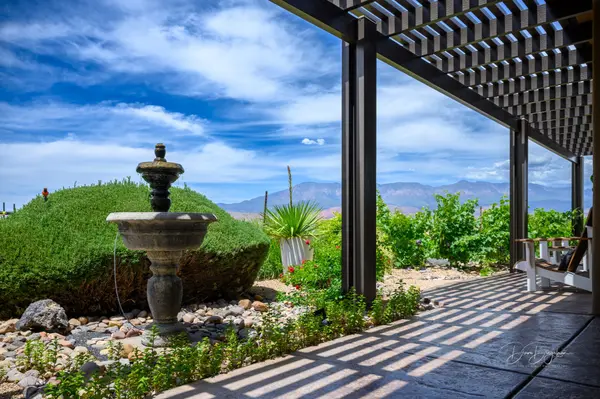
Our Southern Utah yard has spectacular views—red rock cliffs backed by snow-capped peaks. What it doesn’t have is space for a proper garden. Combine that with triple-digit summer temperatures, and gardening becomes a contact sport. For years I tried to maintain a small herb patch, but when we brought home our Husky pup, Margie—a professional digger—all hopes of cultivating a green thumb basically evaporated. But honestly, the trouble started long before her.
I’d attempted tomatoes for several seasons. On the rare occasion they produced fruit, it all developed bottom rot. I tried upside-down planters, shade, full sun, begging, bribery—nothing worked. Eventually I called our local Department of Agriculture. To my surprise, they were friendly and willing to help a wannabe gardener. After hearing my struggles, the agent asked how close my home was to undisturbed native fields.
“They reach the back corner of my lot,” I said.
“That might be your issue,” he replied. “We have a tiny green grasshopper—about a quarter inch long—that spreads a virus causing curly leaf and bottom rot on tomatoes.”
And that was the official end of outdoor tomatoes. Sure enough, once I knew what to look for, I spotted the little villains.
My garden shifted to herbs—oregano, thyme, chives, basil—plants that apparently thrive in mediocre soil filled with more lava rock than dirt. We also grow wine grapes (Cabernet Sauvignon and surprisingly, Chardonnay), and they grow like weeds with a bit of care. But everything else—zucchini, kale, chard—failed spectacularly.
For a few years, I settled into an herb-only routine. Then Margie, our new Husky pup, stepped in and gleefully dug up even the toughest plants. That’s when I realized it was time for a new chapter: a greenhouse.
Now, greenhouses in cold climates are great for trapping heat. But in Southern Utah? Adding 30 degrees to our already 110°+ summers sounded like plant cremation. Even with shade cloths, vents, and fans, I wasn’t convinced it would work. Then I stumbled on a YouTube video: DIY Greenhouse Swamp Cooler. Supposedly, it could drop internal temps 20–30 degrees. That got my attention.
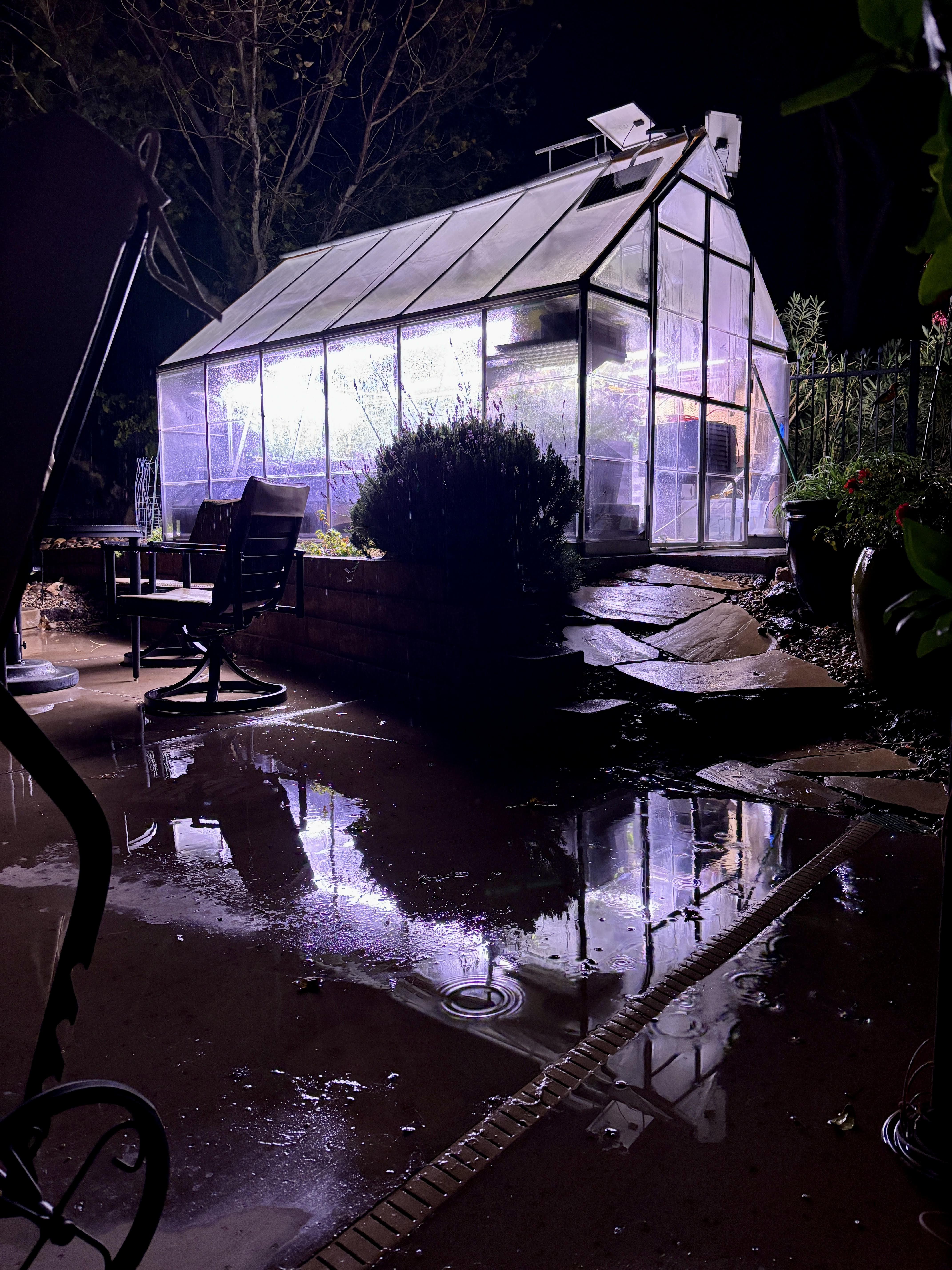
I measured our tiny garden patch and found I could squeeze in an 8' x 12' greenhouse. Wood frames were off the table—they bake in our climate—so aluminum it was. A-frame models wasted too much interior space. Since we live on the side of a volcano (with dirt to match), I knew there was no advantage to having an exposed dirt floor and needed a concrete slab with a screened drain to discourage the rampant bugs that plague our area..
Then came the budget. My wife has refined taste, so I knew that involving her too soon might lead to a handcrafted wooden greenhouse that cost more than my truck. Plus, we live in Hurricane, Utah—a name earned through 70+ mph monsoon gusts—so the structure needed serious wind tolerance.
After researching, I decided on the Palram-Canopia 8x12 model, rated at 50 mph but reportedly toughened by additional tethering used by other high-wind homeowners. The price—just under $1,200—felt doable. Miraculously, my wife approved both the greenhouse and the look of it.
Next came site prep. I wanted a concrete slab with a drain, sub-slab utility sleeves for drip lines and hoses, and no permanent electrical or plumbing that might require permits. I briefly considered pouring the slab myself until I calculated the number of 90-lb concrete bags required and heard my still-healing shoulder protest. My landscape guy quoted $1,500—steep but reasonable for the excavation and rebar work. My wife signed off (another miracle), so we moved forward.
The kit arrived and sat untouched for a couple of weeks until I had time to commit to the project. I’m very busy in my real estate career and just needed a “slow” period to accomplish the build. Opening the box was intimidating: hundreds of tiny parts. Inventory alone took half a day. My neighbor Pat helped with the vertical assembly, which required a few wind-free days of opportunity—rare in our town–after all its name is Hurricane. With my homebuilding background, I figured it wouldn’t be too difficult. I was wrong.
The tiny bolts, the awkward angles, the model-car-level instructions—let’s just say I’ve never missed pounding nails into lumber more. Two full days later, it finally stood—mostly due to Pat’s patience and my stubbornness.
Now I was about $2,800 in, and that’s before planting a single tomato. Running the math, at $3/lb, I’d need 933 lbs—or roughly 2,800 tomatoes—to break even. Since we eat maybe three tomatoes a week, my ROI looked about 18 years out…and that’s before raised beds, soil, fertilizer, cooling systems, heaters, lights, and the tools.
Ah yes—the tools. I’m a guy. Tools are irresistible. A sale was involved. I told my wife I needed them. And just like that, $600 later I owned a DeWalt cordless tool kit with enough gadgets to colonize Mars.
Real estate work picked up, so progress slowed. But the greenhouse was up, secured with expansion bolts and sealed at the base. Then came our town’s signature windstorm. At midnight I watched in horror as the greenhouse shook, the doors rattled open, and a vacuum effect sucked in a few roof panels. The next morning I retrieved the carnage, reinstalled the panels, and reinforced everything with duct tape, twist-tie door latches, and homemade stainless-steel cable bracing.
More storms came. The greenhouse held. I assembled metal raised beds (more tiny bolts), hauled 1½ pallets of bagged soil with help from my wife, and mixed in local sand to cut down on airiness.
When I helped my friend Pat build his greenhouse, I suggested he create a simple air-compression cooling system. The idea was to take a 2' x 3' sheet of plywood, drill several 2½" holes, and insert cut-off plastic water bottles—wide ends facing the outside air and the narrower, open ends facing in. As a fan on the opposite side of the greenhouse pulled air through, the narrowing “bottle vents” compressed and cooled it. You can feel the principle yourself: breathe out with your mouth wide open, then purse your lips and blow—notice how much cooler the air becomes. In Pat’s greenhouse, this setup dropped the temperature by 10–15° with just an electric fan. Pretty impressive. I planned to build a similar intake box but ultimately stuck with my swamp cooler, which cools incoming air by more than 20°, translating to an overall greenhouse temperature about 10–15° below outside levels. So when it’s 110° outside, mine runs around 90–100°—helped along by a 40% white shade cloth. The only drawback is water usage: 15–20 gallons on the hottest days. If I were doing it again, I’d install underground piping and a closed-loop cooling system with a small tank to capture condensation under the slab and pump it back into the reservoir, recycling water and circulating pre-cooled air instead of constantly pulling in super-heated outside air. I could have built that for around $250. While it’s only theoretical at this point, I suspect it would have lowered temps even further. Still, I’m happy—my current system rarely climbed above 95° all summer, and the plants absolutely thrived.
Next came overwatering issues. My drips were tied into the exterior irrigation timer designed for the scorching outdoors, not the moderated greenhouse temps. Result: yellow leaves, mushrooms everywhere. I switched to hand-watering, knowing I could add a battery timer later.
After buying $150 worth of plants, seeds and organic fertilizer, my next job was to get my soil in better working order. I had already added sand and that helped a lot, but I now needed worms so I ordered a bunch from Uncle Jim’s Worm Farm, fed them into the soil with some dry dog food and called it good.
Now $4,000 in and still tomato-less, the herbs, kale, parsley, coriander, fennel, peppers, and strawberries were thriving. I tried squash and melons—nothing pollinated despite a wild beehive ten feet away. Hand-pollinating didn’t help either.
We started composting all of our food scraps and my two outside bins work in rotation and produce some kick-ass compost. We employ the local, and abundant cockroaches to do the heavy work in the compost bins and during the summer they really break it down fast. The winter is a bit of a different story though. I’m not into bringing those guys into the greenhouse so I use diatomaceous earth and mix it all in my wheelbarrow, Phil. I wrote a humorous piece on the benefits of cockroaches if you care to check it out.
At this point, my “$1,000 tomatoes” penciled out closer to 25–30 years to break even, assuming ideal production and ignoring utilities and fertilizer. If I’m lucky, by the time I’m 96, this project will finally pay for itself.
But honestly? It’s the process that matters. The learning, the tinkering, the experimenting.
Zen and the art of $1,000 tomatoes.
Categories
- All Blogs (85)
- Buying a Home (21)
- Flipping (9)
- Home Improvement (1)
- Hurricane Utah (9)
- Landscaping (4)
- Market Report (39)
- NAR Settlement (3)
- National Parks (2)
- Notice of Default (1)
- Real Estate (63)
- Real Estate News (41)
- Rehab (3)
- Remodel (6)
- Retirement (12)
- Selling a Home (12)
- Staging (7)
- Towns (7)
Recent Posts